Living Threads of Idrija Lace

Today we explore Idrija Lace and Textile Traditions: Preserving a UNESCO Craft, tracing how deft hands in a Slovenian valley turn threads into living heritage. Expect origin stories, practical guidance, contemporary design ideas, and ways you can learn, support, and keep these shimmering lines alive.

From Mercury to Linen: Origins in a Mountain Valley

In the seventeenth century, Idrija’s mercury boom gathered families whose evenings filled with the patient music of bobbins. Lace traveled to coastal markets and imperial salons, while mothers tutored daughters at the pillow. In 1876, a dedicated lace school anchored skills, records, and ambition, transforming household craft into a proud regional identity carried in every precise crossing.

Tools, Techniques, and the Sound of Bobbins

A firm pillow, crisp pricking, smooth bobbins, and obedient pins form the quiet orchestra of mastery. Idrija makers swear by balanced tension, clear diagrams, and patient repetition that settles into muscle memory. The celebrated narrow tape method travels gracefully around corners, turning complex florals and scrolls into continuous pathways that feel both inevitable and free.

01

Pillow and pricking essentials

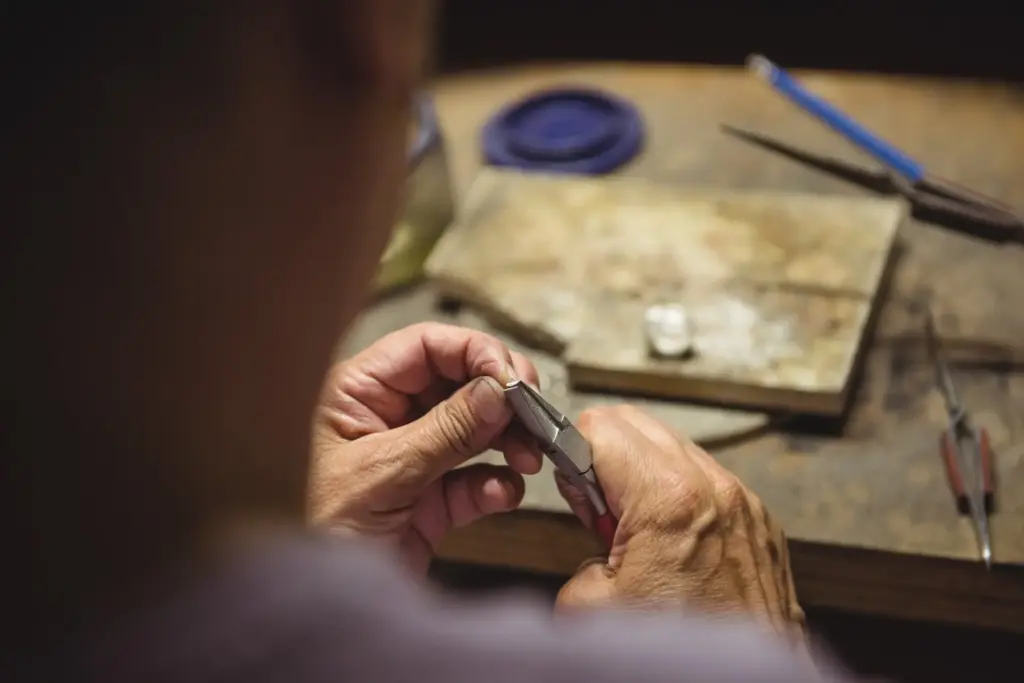
The right pillow supports even pressure so pins hold without wobble, while clean pricking marks guide rhythm like a metronome. Beginners learn to seat pins at consistent angles, count pairs aloud, and practice on sturdy threads before graduating to finer fibers whose demands reveal both flaws and promising strengths in technique.

02

Idrija narrow tape mastery

Idrija’s signature tape flows as a continuous ribbon, curving through petals and leaves without abrupt joins. The craftsperson shapes corners with gentle increases, then eases back through clever decreases, securing turns with discreet pinning. Watching a skilled maker steer the tape feels like witnessing handwriting become calligraphy, eloquent, economical, and deeply personal.

03

Motifs that carry meaning

Vines recall valley paths by the Idrijca River, flowers salute gardens tended between shifts, and stars nod toward winter skies above slate roofs. Wedding collars promise good fortune, while table runners mark reunions. Every motif is a message, blessing, or joke, with humor tucked into unexpected turns only locals immediately recognize and cherish.

UNESCO Recognition and the Work of Preservation

When bobbin lacemaking in Slovenia gained UNESCO recognition, Idrija stood proudly among its guardians. Honors brought responsibility: teacher training, apprenticeships, festivals, and archives that hold samplers alongside oral histories. Grants help schools modernize without diluting essence, while international exchanges show how shared techniques adapt to fresh materials and evolving cultural narratives with respect.

Designing for Today: Fashion, Interiors, and Digital Bridges
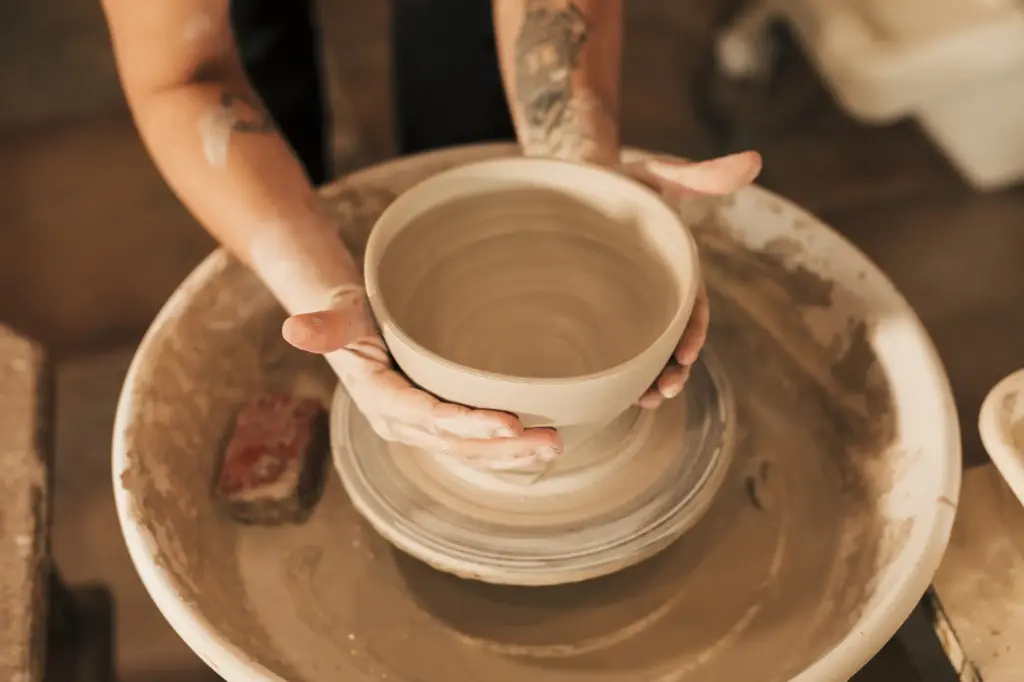
Contemporary makers pair Idrija finesse with modern silhouettes, creating collars, cuffs, veils, lampshades, and framed art that feel native to present lives. Software helps visualize repeats, while 3D-printed bobbins experiment with balance. Yet the heart stays human—hand, breath, and intuition aligning to honor lineage while speaking confidently to new audiences and needs.

How You Can Learn and Support

Begin with curiosity and respect. Enroll in beginner workshops, purchase from makers directly, and credit artists when you post photos. Budget fairly, remembering hours invested per centimeter. Visit exhibitions, leave comments with questions, and share family memories. Your participation turns admiration into momentum that sustains classrooms, festivals, and kitchen-table mentorships throughout the year.

Valuing time as the rarest fiber

One centimeter can hold countless crossings, each placed with concentration that cannot be rushed. Makers need wages that reflect practice, expertise, and eye strain. Clear estimates, thoughtful scope, and deposits protect both sides. When buyers champion fairness, artisans plan futures, hire apprentices, and keep skills vibrant rather than fragile or precariously part-time.

Materials that respect land and water

Organic linen and responsibly sourced cotton support soil health, while gentle detergents protect waterways during washing and blocking. Some studios explore natural dyes, tracking colorfastness carefully. Offcuts become teaching kits or greeting cards, extending usefulness. Sustainable choices reinforce a craft whose deepest message is patience with materials, people, and the living world.
Miraravokaro
Privacy Overview

This website uses cookies so that we can provide you with the best user experience possible. Cookie information is stored in your browser and performs functions such as recognising you when you return to our website and helping our team to understand which sections of the website you find most interesting and useful.